
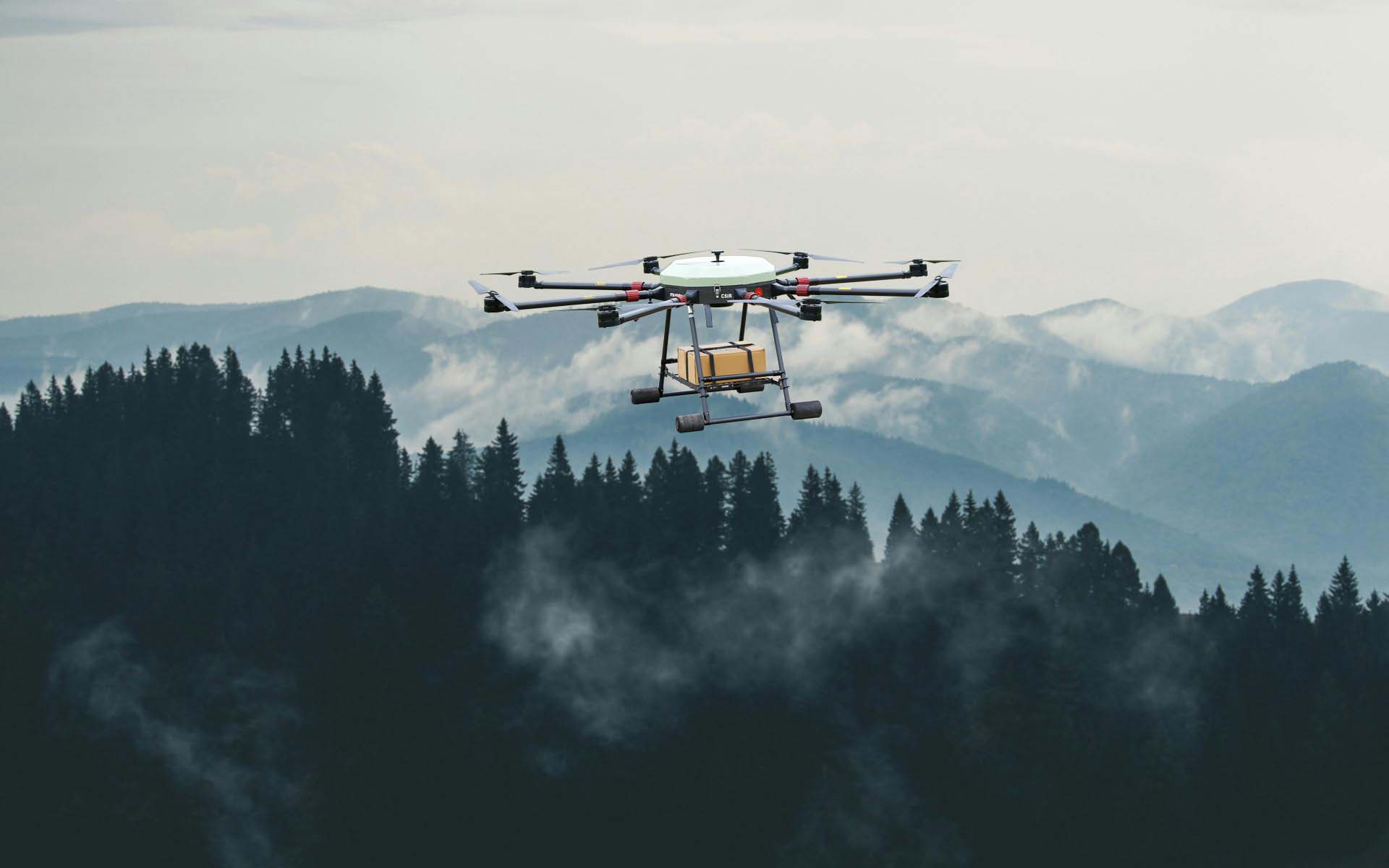
Drones, once the domain of military operations and tech enthusiasts, have now become pivotal in revolutionizing the logistics industry. As global commerce expands and consumer expectations rise, the demand for faster, more efficient, and reliable delivery systems has pushed the boundaries of innovation. Among the most promising technologies leading this shift are drones—Unmanned Aerial Vehicles (UAVs) capable of navigating diverse terrains and streamlining delivery operations. Companies like MagicMyna are at the forefront, developing purpose-built drone solutions that cater to logistics, healthcare, agriculture, and beyond.
The rise of drone logistics
The evolution of drone technology has opened new frontiers in supply chain and delivery systems. Drones are now seen as critical tools for delivering essential goods, especially in regions where traditional vehicles face infrastructural challenges. Their ability to fly over traffic, traverse rough terrains, and reach isolated areas makes them particularly valuable in time-sensitive and mission-critical delivery scenarios. MagicMyna exemplifies this shift by building drone platforms tailored to serve rural areas, emergency healthcare logistics, and government-led initiatives, where speed and reach are non-negotiable.
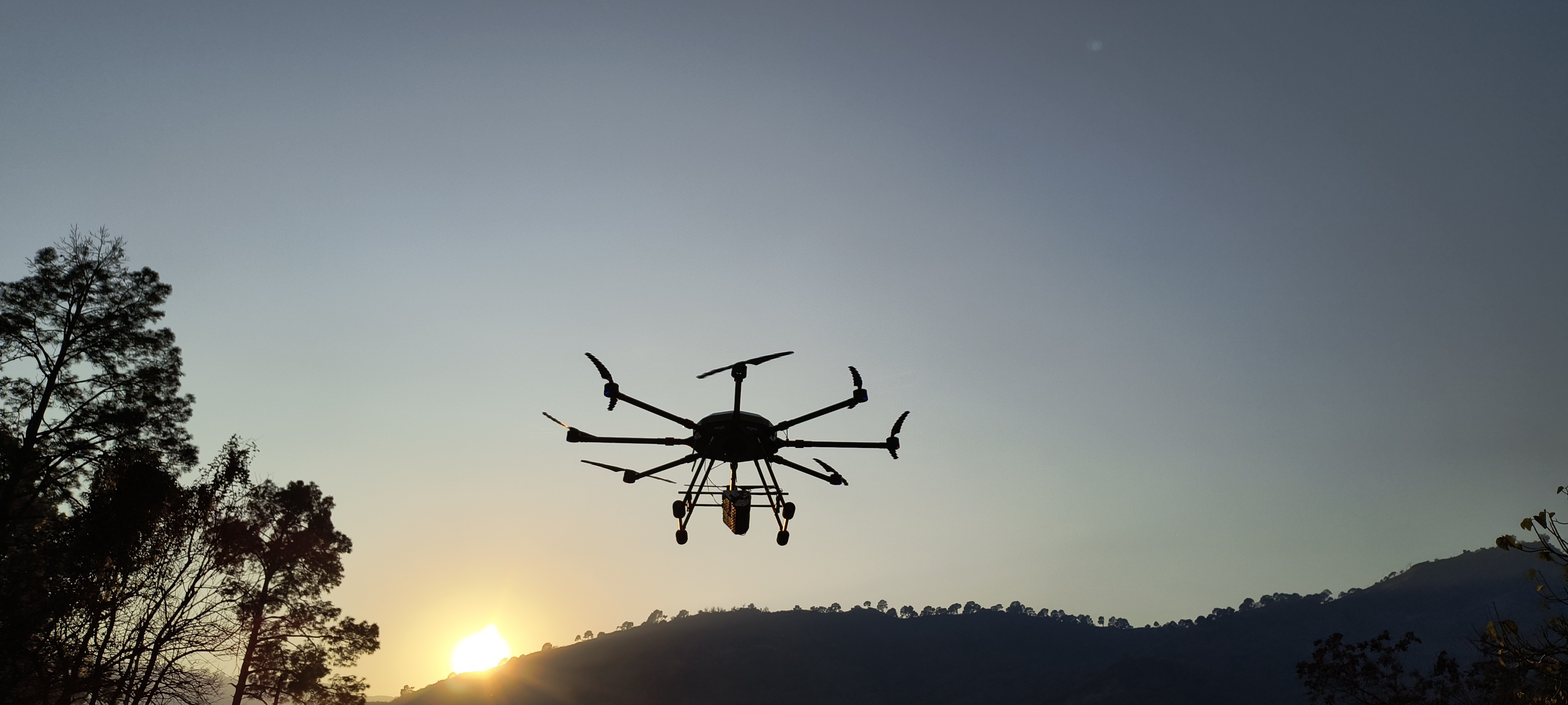
Drones enable faster, reliable last-mile delivery, and MagicMyna optimises them for hard-to-reach areas.Transforming last-mile delivery
One of the most transformative applications of drones is in last-mile delivery. Traditionally plagued by congestion, delays, and high costs, the final leg of the delivery process has been a major bottleneck for logistics providers. Drones offer a fresh perspective by dramatically reducing delivery time, especially in densely populated urban areas or remote rural villages. Their ability to bypass ground-based obstacles allows packages to reach destinations faster, more reliably, and without the dependency on road infrastructure. Magicmyna’s systems are specially optimized for these scenarios, providing access to locations that are typically underserved by traditional logistics networks.
Streamlining warehouse and inventory management
Beyond delivery, drones are increasingly being used within warehouses and distribution centers. Their agility and automation capabilities make them ideal for scanning inventory, monitoring stock levels, and performing safety inspections. Instead of relying on manual labor for routine tasks like inventory checks, drones can quickly scan barcodes and capture real-time data on stock availability, thereby reducing human error and boosting operational efficiency. By integrating drone systems into warehouse management, businesses can significantly reduce overheads while improving accuracy and productivity.
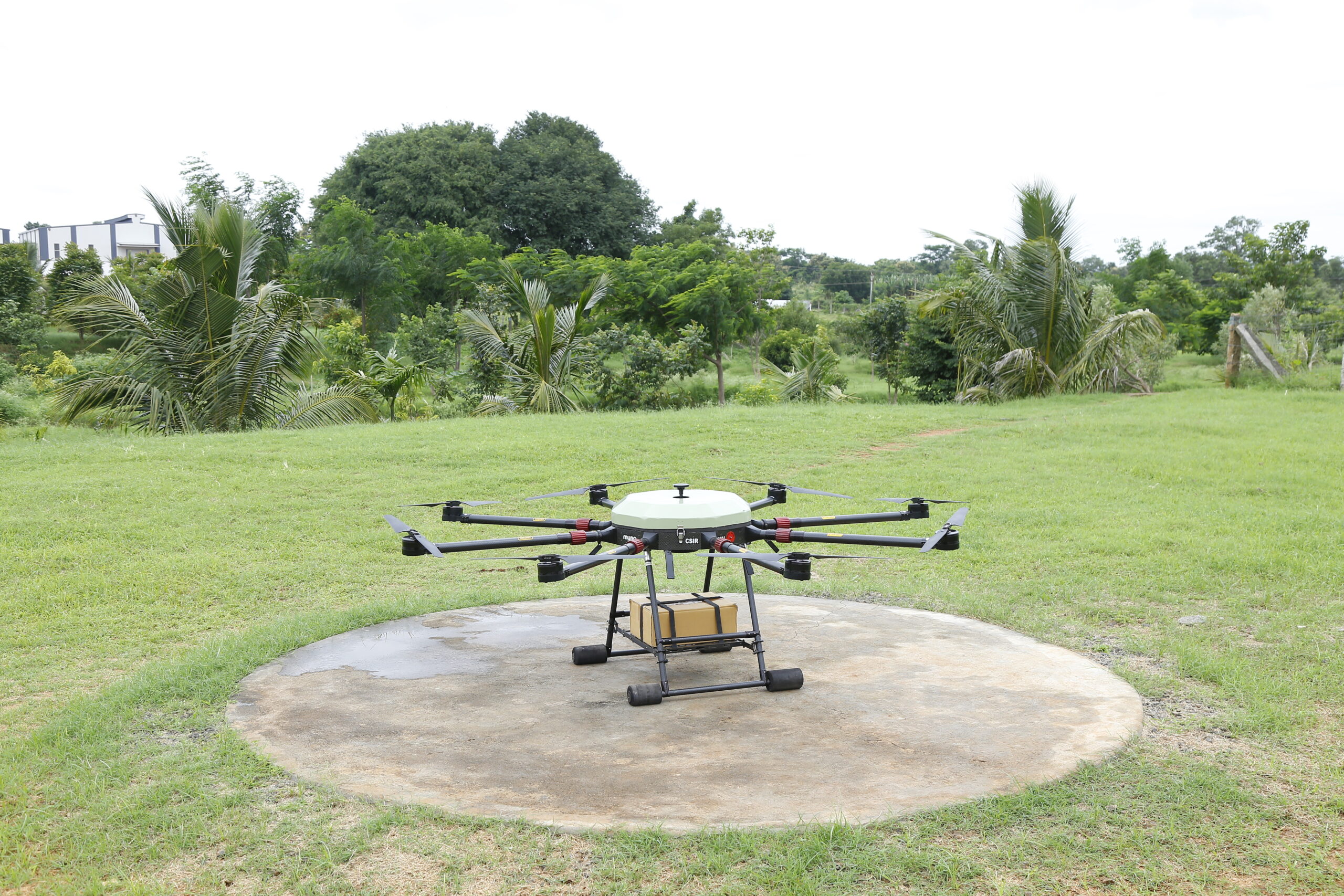
MagicMyna's advanced designed for seamless agricultural and logistics operations across India.Environmental and sustainability benefits
The rise of drone logistics also aligns closely with global sustainability efforts. Unlike traditional delivery vehicles that rely on fossil fuels and contribute to urban pollution, drones operate on electric batteries, drastically lowering carbon emissions. Furthermore, by reducing the number of delivery vans on the road, drones help alleviate traffic congestion and cut down on noise pollution. Their optimized flight paths also ensure minimal energy usage, making them a cleaner and more efficient alternative for logistics. As climate goals become more central to business strategies, drone adoption presents a promising solution for companies looking to reduce their environmental impact.
Challenges in widespread adoption
Despite the immense potential, several challenges continue to affect the large-scale implementation of drones in logistics. Regulatory restrictions, especially those concerning airspace usage, vary widely across regions and can delay deployment. Technical limitations such as battery life, flight range, and payload capacity also impact how and where drones can be used. Moreover, societal concerns about safety, noise, and privacy need to be addressed through transparent policies and technological safeguards. Companies like MagicMyna are actively collaborating with regulators, stakeholders, and technology partners to overcome these hurdles and unlock the full potential of drone-based logistics.